
The UAE’s Role in the Sudanese Civil War

Abu Dhabi wants to dominate the region, regardless of the consequences.

1486

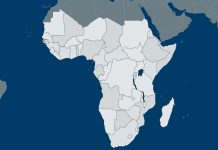
Sudan is an unviable country because it is home to 570 tribes, 57 ethnic groups and nearly 60 separatist movements. Immediately after its independence in 1956, the southern part of the country took up arms against the government in Khartoum to protest economic deprivation, gross political underrepresentation and the official policy of proselytizing the south […]

This article is for subscribers only

Join thousands of readers who rely on GPF for clear-eyed geopolitical analysis.

$79 per year Save 27% vs. monthly
Full access to all daily analysis & forecasts
George Friedman's geopolitical insights
2026 Forecast & Special Collection on the Middle East
100% reader-supported
Subscribe Now

30-day money-back guarantee


Already a subscriber? Log in

Hilal Khashan
Hilal Khashan is a contributing analyst at Geopolitical Futures. He is a Professor of political science at the American University of Beirut and a respected author and analyst of Middle Eastern affairs. He is the author of six books, including Hizbullah: A Mission to Nowhere. (Lanham, MD: Lexington Books, 2019.) He is currently writing a book titled Saudi Arabia: The Dilemma of Political Reform and the Illusion of Economic Development. He is also the author of more than 110 articles that appeared in journals such as Orbis, The Journal of Conflict Resolution, The Brown Journal of World Affairs, Middle East Quarterly, Third World Quarterly, Israel Affairs, Journal of Religion and Society, Nationalism and Ethnic Politics, and The British Journal of Middle Eastern Studies.