
Iran Conflict

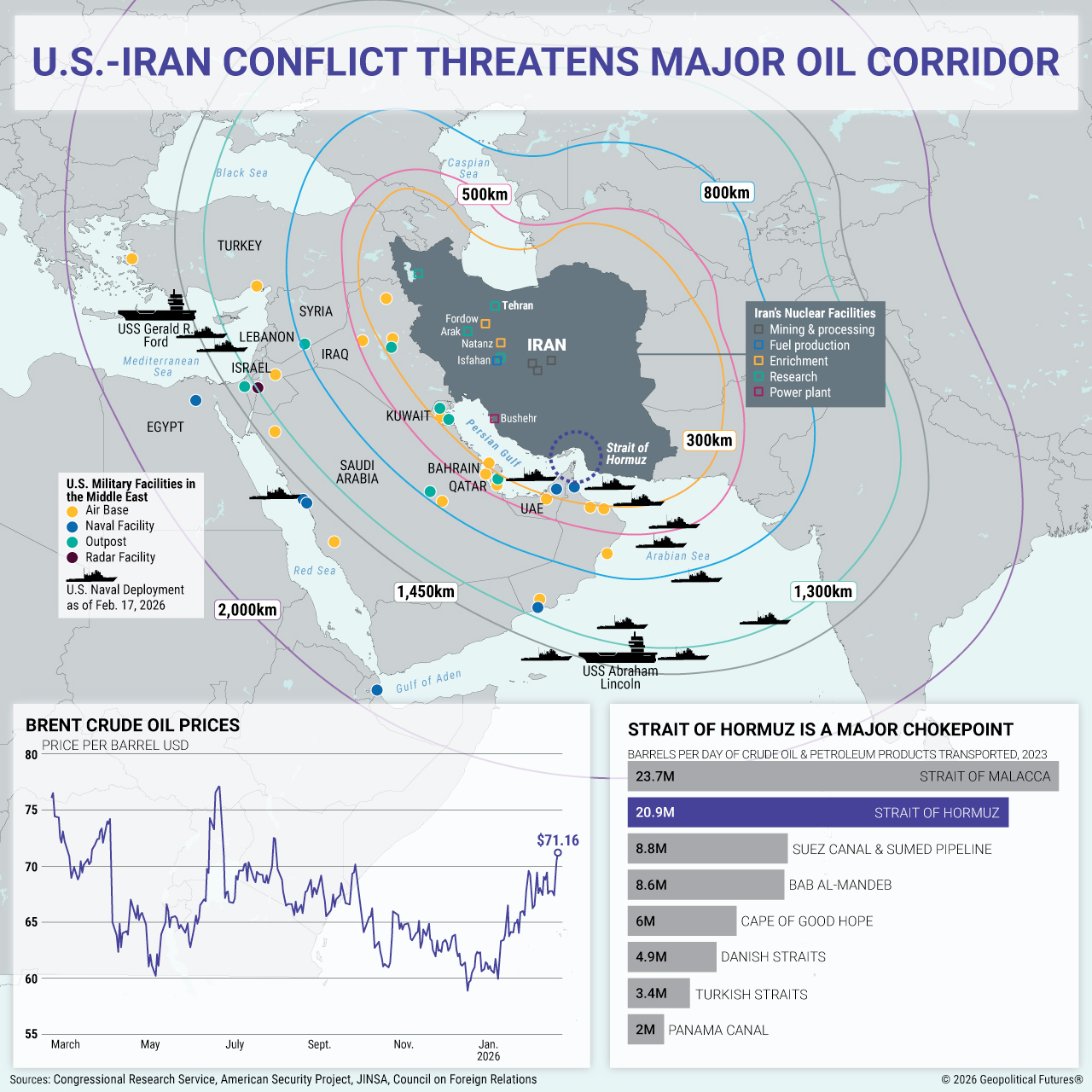
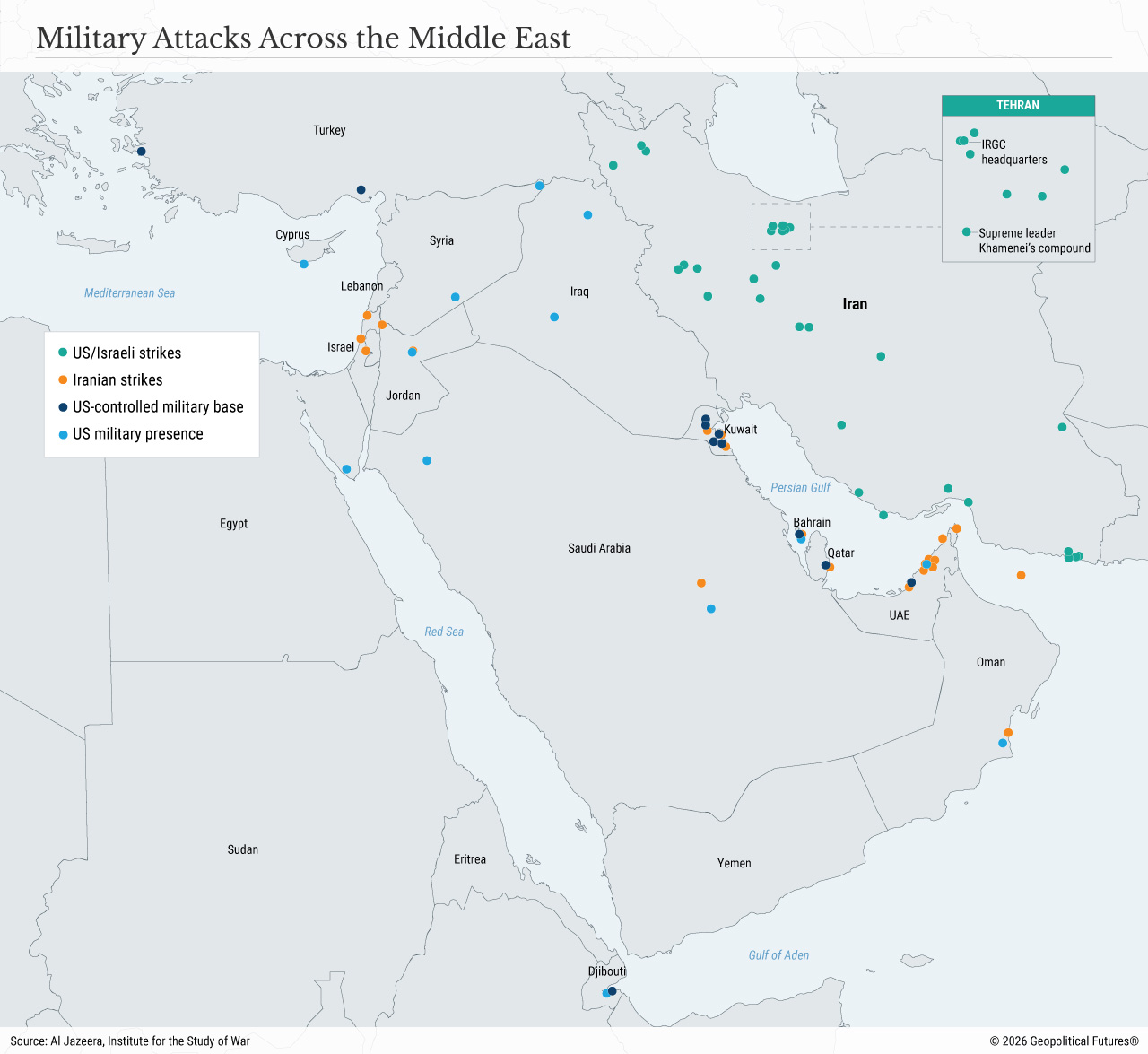
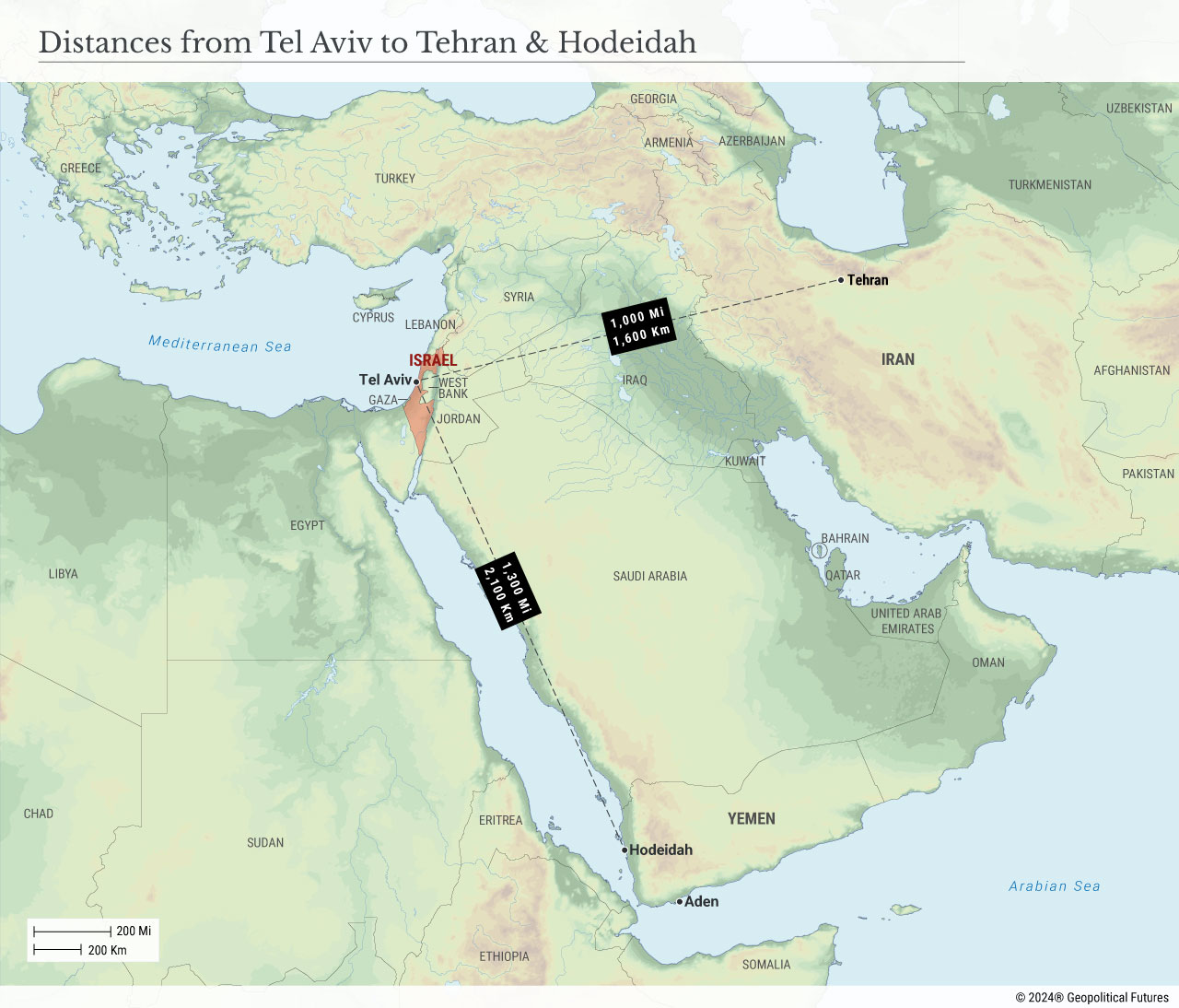
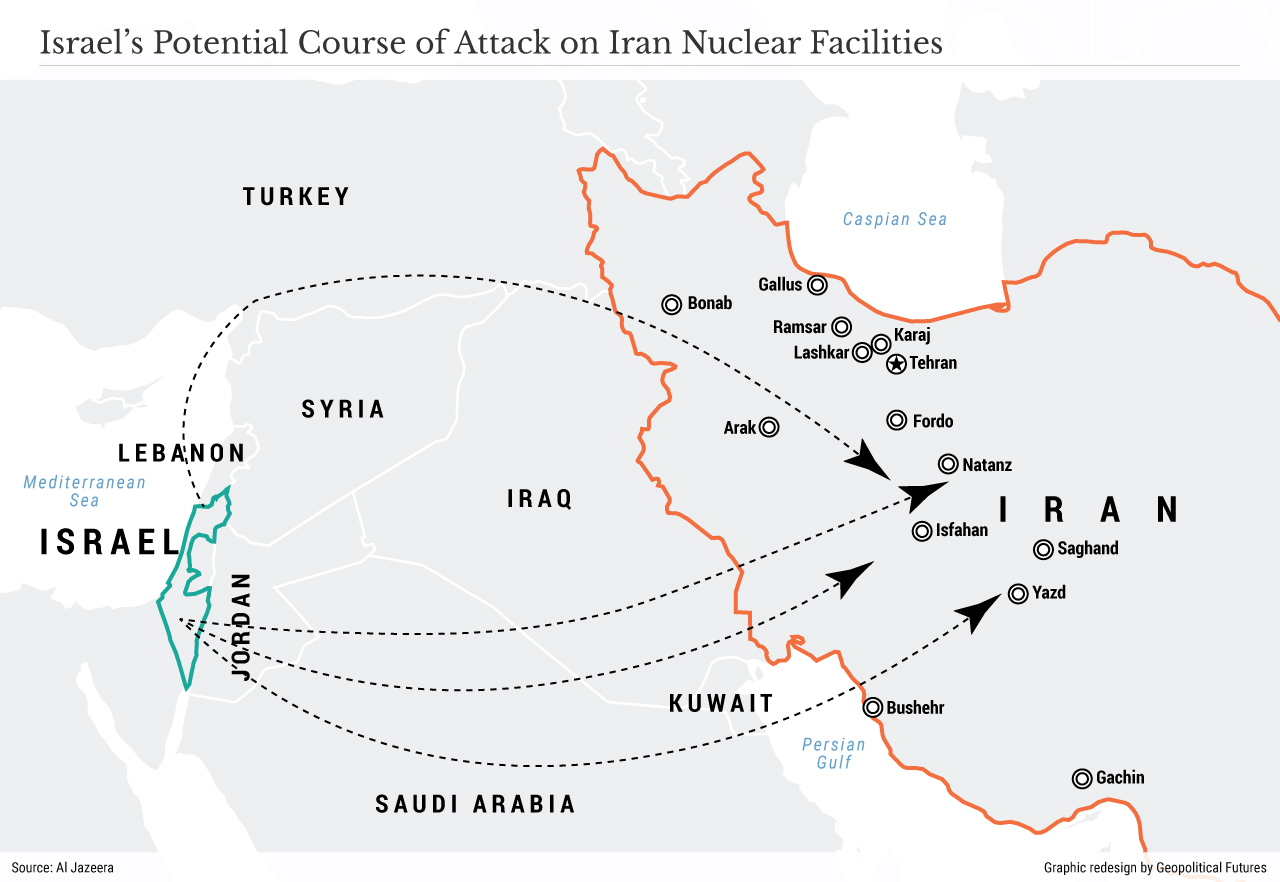
The U.S. and Israel launched air strikes against Iran on February 28th targeting leadership and military assets. The question is no longer whether force will be used but whether it can be used without opening the door to a conflict that would be difficult to contain. This is the paradox of bargaining with force: It is used to avert war but also brings war closer.

Featured Content

How the Iran War Creates a New Strategic Environment

A change has come to the Iranian government. While airpower alone is unlikely to take down the regime, it will never be the same...

A Summary of the Iran War, So Far

FREE
Wars can be viewed by historians later, but while they are raging and facts and lies compete for attention, it’s hard to understand what’s...

The Eclipse of the Islamic Republic

U.S. President Donald Trump last week demanded an unconditional Iranian surrender to end the joint U.S.-Israeli operation that started on Feb. 28. For the...

In Iran, Airpower Has Its Limits

Modern warfare increasingly assumes that control of air and space decides the outcomes of conflicts. And it’s true that precision strikes, surveillance networks and...

Special Collection on the Middle East

This complete work consists of several dozen essays spread out over 8 parts tackling the region’s conflicts and historical evolution, relating them to contemporary issues. Divided into distinct regions and critical issues, the Special Collection of the Middle East is your source to better understand this volatile region and to be prepared for what comes next.

Recent Analysis: Iran

Continue to the category

Daily Memo: US Eases Russian Oil Sanctions

Temporary relief. The United States decided to temporarily lift sanctions on Russian oil currently at sea to ease the economic fallout of the war...

Iran’s Doctrine of Protracted War

The war between Iran and the U.S.-Israeli coalition is unlikely to produce a rapid or decisive outcome. Rather than a short campaign defined by...

Daily Memo: US Deployment, Kurdish Concerns

Reinforcement. The United States will send up to 500 troops to Romania to support the U.S. operation in Iran. The Romanian parliament on Wednesday...

How the Iran War Creates a New Strategic Environment

A change has come to the Iranian government. While airpower alone is unlikely to take down the regime, it will never be the same...

Daily Memo: Oil Markets and Shipping Disruptions

Relief ahead? Member countries of the International Energy Agency unanimously agreed to release 400 million barrels of oil from their emergency reserves to help...

A Summary of the Iran War, So Far

FREE
Wars can be viewed by historians later, but while they are raging and facts and lies compete for attention, it’s hard to understand what’s...

Daily Memo: Commercial Shipping and the Conflict in Iran

Tehran's reprisals. Iran’s Islamic Revolutionary Guard Corps said it would allow passage through the Strait of Hormuz to Arab or European countries that expel...

The Eclipse of the Islamic Republic

U.S. President Donald Trump last week demanded an unconditional Iranian surrender to end the joint U.S.-Israeli operation that started on Feb. 28. For the...

Daily Memo: New Iranian Supreme Leader, Warnings From Neighbors

Successor chosen. Mojtaba Khamenei, the son of former Iranian Supreme Leader Ayatollah Ali Khamenei, was selected by Iran’s Council of Experts to be the...

In Iran, Airpower Has Its Limits

Modern warfare increasingly assumes that control of air and space decides the outcomes of conflicts. And it’s true that precision strikes, surveillance networks and...

George Answers Your Questions: First Thoughts on the Attack on Iran

First Thoughts on the Attack on Iran March 1, 2026 A message on how we are handling this crisis: This is not an answer to a question...

Daily Memo: On US Weapons Supplies

Replenishing stocks. The Pentagon is reportedly planning to request funds from Congress to replenish munitions used against Iran. Missiles for the Patriot and THAAD...

Latest Posts

Audio & Video

The Battle for Lebanon’s Future

FREE
As war rages in the Middle East, the future of Iran remains an open question. The same can be said for Lebanon, where exchanges of fire between Hezbollah and Israel have been taking place for more than a week. On this episode of Talking Geopolitics, host Christian Smith is joined by Senior Analyst Hilal Khashan for a ground-level perspective on the escalating conflict in Lebanon, and to explore the broader regional impacts of the Iran war.

George Friedman on America’s Real Iran Goals: Regime Change or Regional Reset?

FREE
The ongoing US-Israeli strikes on Iran, which began over the weekend, come after a protracted period of tension, negotiations and military build-up. Tehran has now said it will attack U.S. assets in the region in response to the U.S. and Israeli strikes, which killed several top Iranian officials and Supreme Leader Ayatollah Ali Khamenei. So why, in a world where the U.S. is trying to withdraw from anything outside the Western Hemisphere, does the U.S. still care about Iran? Talking Geopolitics host Christian Smith is joined by GPF Chairman George Friedman to discuss how we got here, intelligence failures, and the future of the Iranian regime, which could look quite different or remain just a new version of the same.