
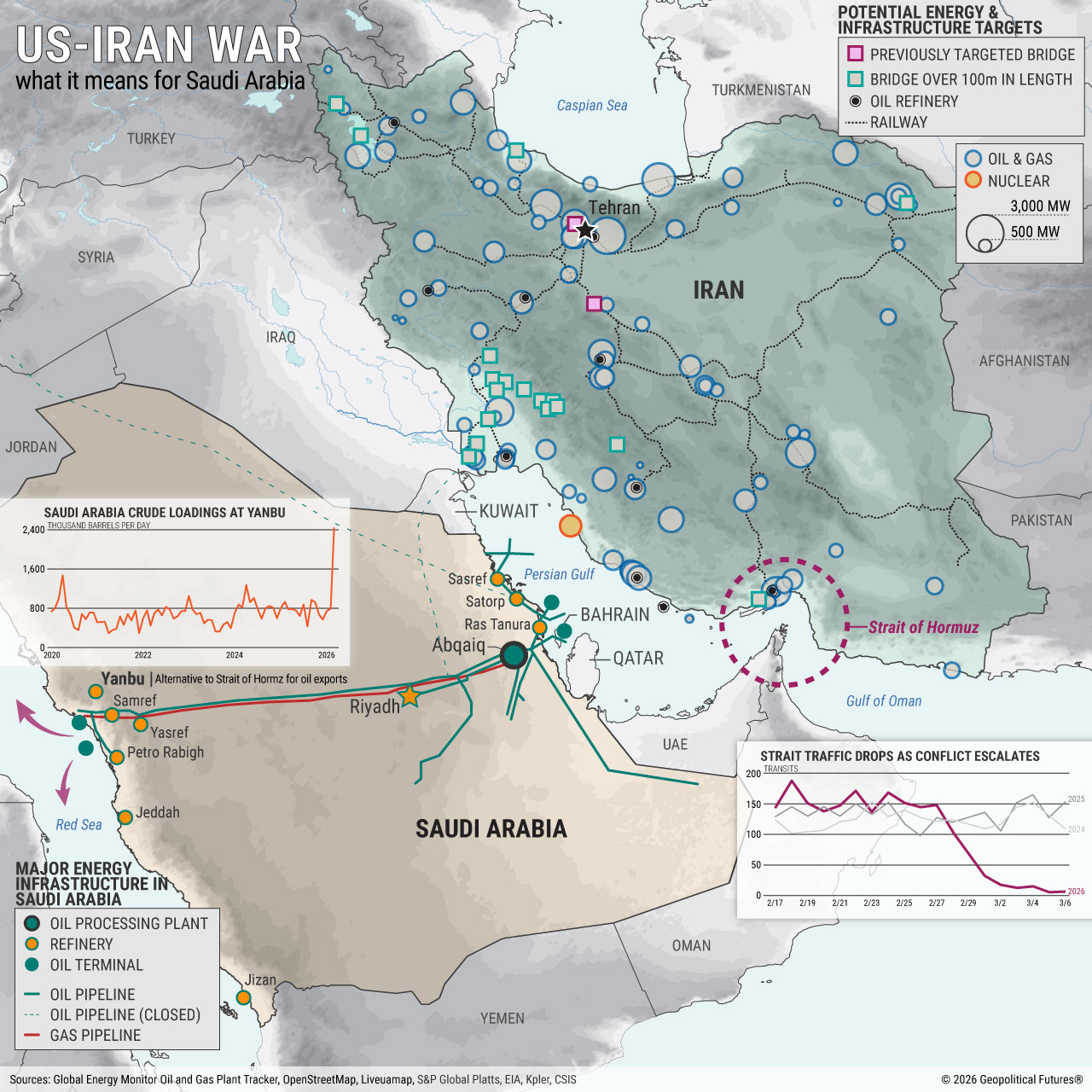
The Strait of Hormuz is technically open but operationally constrained, functioning as a de facto Iranian-controlled bottleneck rather than a free transit corridor. Shipping flows remain sharply reduced, with insurers and firms deterred by risk, while Tehran imposes coordination requirements and quasi-tolls in an attempt to formalize leverage over the chokepoint. This turns Hormuz from a disruption tool into an instrument of coercion – one that extracts economic and political concessions without outright closure. In effect, Iran is testing whether it can normalize partial control of a global artery under the cover of crisis management.
This dynamic is at the core of the U.S.-Iran talks planned for April 11 in the Pakistani capital, where reopening the strait is both a ceasefire condition and the primary bargaining chip. Washington’s position is that free navigation must be restored, while Tehran appears willing to offer only a controlled reopening tied to broader concessions. The result is a fragile equilibrium in which economic pressure is driving diplomacy, but the same pressure raises the risk of renewed escalation if talks fail. The outcome will determine whether Hormuz reverts to a neutral passage or becomes a persistent arena of strategic contestation.

 The World Explained in Maps